$15.40
$19.25
50% OFF! Hot items selling fast—Grab them before they're gone!
 Unconditional Satisfaction GuaranteeNo Shipping Fees Above 302 Months to Decide. Returns Simplified.
Soda ash is the trade-name for sodium carbonate (NaCO) an inorganic, white, odorless, crystalline or powdered alkali. Historically derived from plant ashes (hence ash) and still produced today by refining trona ore or via synthetic chemical processes. Chemically it dissolves in water to form a strongly alkaline solution, making it a powerful flux, pH-adjuster and deflocculant in many industrial and ceramic contexts.
Refined sodium carbonate (NaCO) in a highly pure, granulated or powdered form.
Acts as a flux in glaze and glass contexts: by introducing the sodium oxide (NaO) component, soda ash lowers melting points and enhances fluidity in silica-based systems.
Functions as a deflocculant and rheology modifier in ceramic slips and casting bodies helping to maintain fluidity, reduce settling and control casting performance.
Enables advanced surface effects through soda-firing techniques in pottery: when introduced into a kiln atmosphere or applied to bisque, sodium vapour interacts with silica/alumina surfaces to yield unique textures, flashing, and orange peel effects.
Format optimized for studio use: convenient for material formulation, glaze labs, ceramic educators and creative potters aiming for consistent control and repeatability.
Glaze formulation & body design: Use soda ash for formulating sodium-rich glazes, frits or flux packages.
Casting/slip preparation: Incorporate into slip recipes to fine-tune flow and deflocculation behaviour in casting molds.
Soda kiln or soda/fume firing: Apply soda ash via solution spray, brine dip or direct application in kiln to generate sodium vapour and reactive glaze surfaces.
Experimental surface treatments: Use for creating dynamic, reactive surfaces in stoneware and high-fire work.
Industrial/ceramic raw materials: Although your focus is studio ceramics, it also feeds into glass, detergent, metallurgical and water-treatment sectors.
Chemical formula: NaCO (sodium carbonate) anhydrous or lightly hydrated forms.
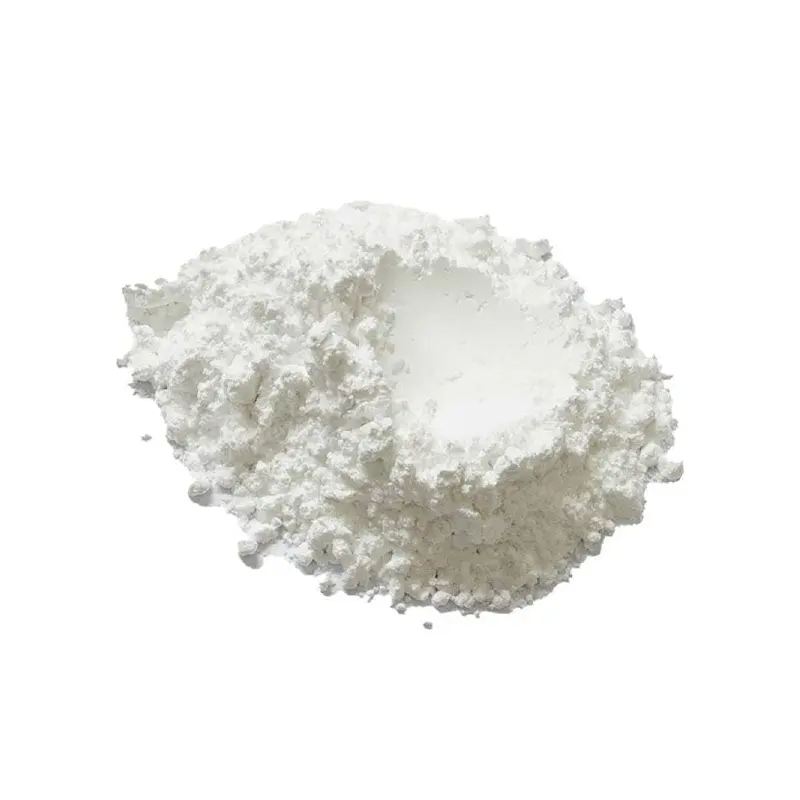
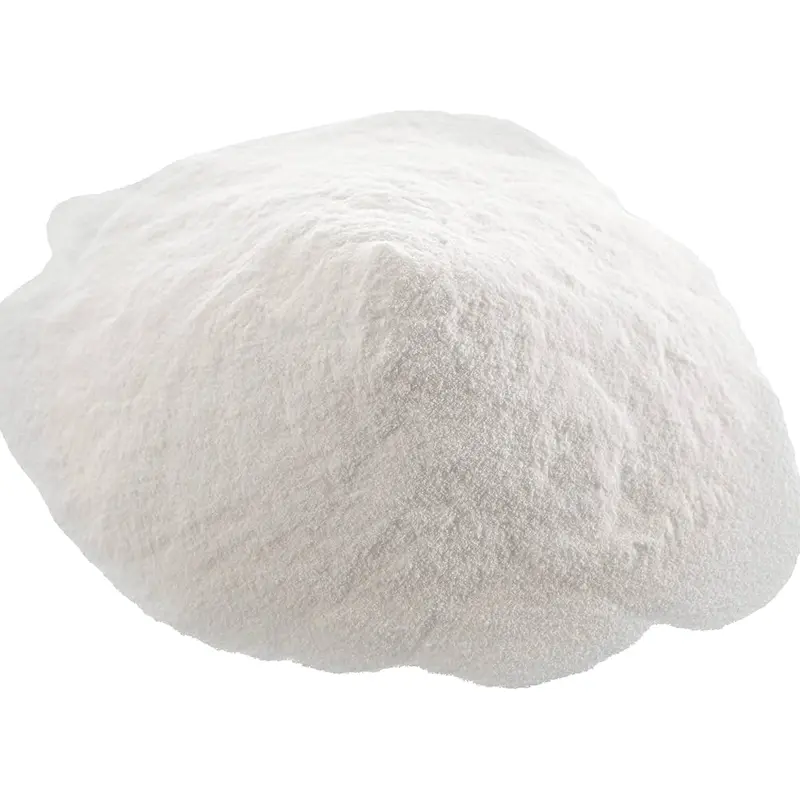
Appearance: White granular or powder form, odorless, water-soluble.
Solubility: Highly soluble in water; forms alkaline solution (pH ~11 for 1 % solution) when dissolved.
Storage: Keep in a cool, dry place, sealed container to prevent moisture uptake and caking.
Safety: While not highly hazardous, sodium carbonate is alkaline and can cause irritation to skin/eyes. Use gloves and eye protection when handling powder and avoid inhaling fine dust.
Note for ceramic use: Because it is water-soluble, soda ash is not normally used as a direct NaO source in glazes, unless captured in a frit it tends to migrate or leach.
Whether youre a studio potter, glaze lab technician or ceramic instructor, this soda ash offers cost-effective, consistent and high-purity performance. Use it to elevate your glaze chemistry, fine-tune slip behaviour or explore reactive soda-firing surfaces. Its a flexible raw material for anyone serious about craft, formulation and results.
Recon & Preparation: Review your glaze or slip formulation. Determine how introducing sodium will shift behaviour (fluxing speed, gloss, adherence, thermal expansion).
Deployment: For slips: add soda ash at low percentages (e.g., ~0.1-0.3% by weight of dry body) along with sodium silicate to achieve deflocculation. For glazes/firing: dissolve in warm/hot water for spraying or apply as a wash for soda effect. (Many potters use ~1 lb soda ash per gallon hot water for soda spray).
Monitoring: Track changes in casting time, slip settling, glaze draw-down and fired surface characteristics. Because sodium oxide is highly reactive, adjust other fluxes or silica levels accordingly to avoid over-melting or crawling.
After-Action Maintenance: Store remaining soda ash dry, label clearly (technical grade sodium carbonate for ceramic raw material use), maintain MSDS on file. Clean tools and containers to prevent sodium contamination in unintended processes.
Contingency / Scaling: Keep sample batches and test charts before full scale. If shifting from small studio batches to large runs, monitor kiln lining wear (sodium vapours can affect kiln bricks over time) and ventilation requirements.