$15.40
$19.25
50% OFF! Hot items selling fast—Grab them before they're gone!
 Unconditional Satisfaction GuaranteeNo Shipping Fees Above 302 Months to Decide. Returns Simplified.
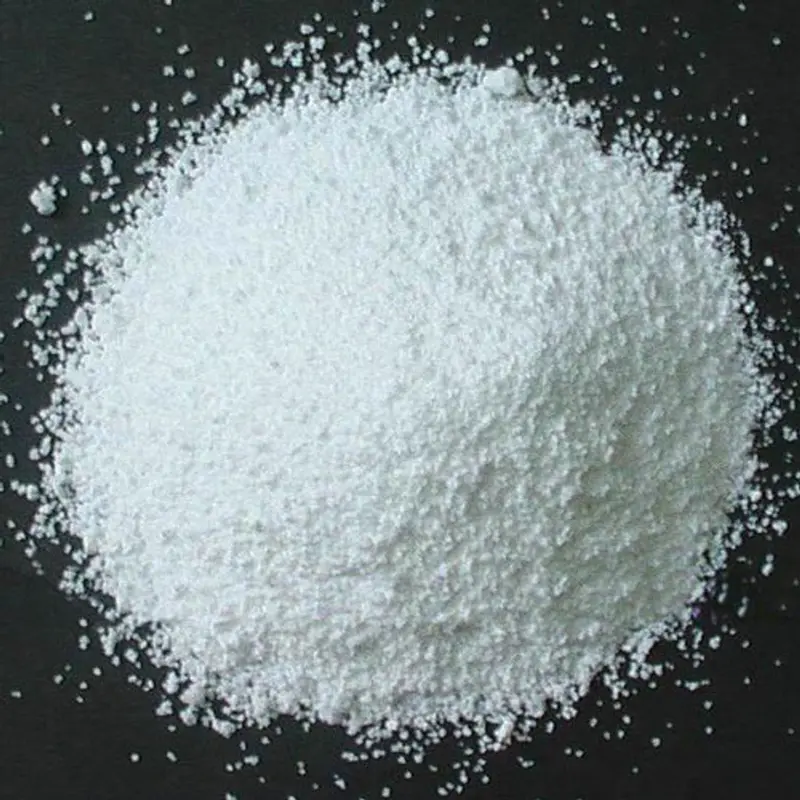
High-purity potassium carbonate (KCO), also known as pearl ash.
Acts as a solid potash flux source: when used in glazes or ceramic bodies, provides KO without introducing unwanted oxides.
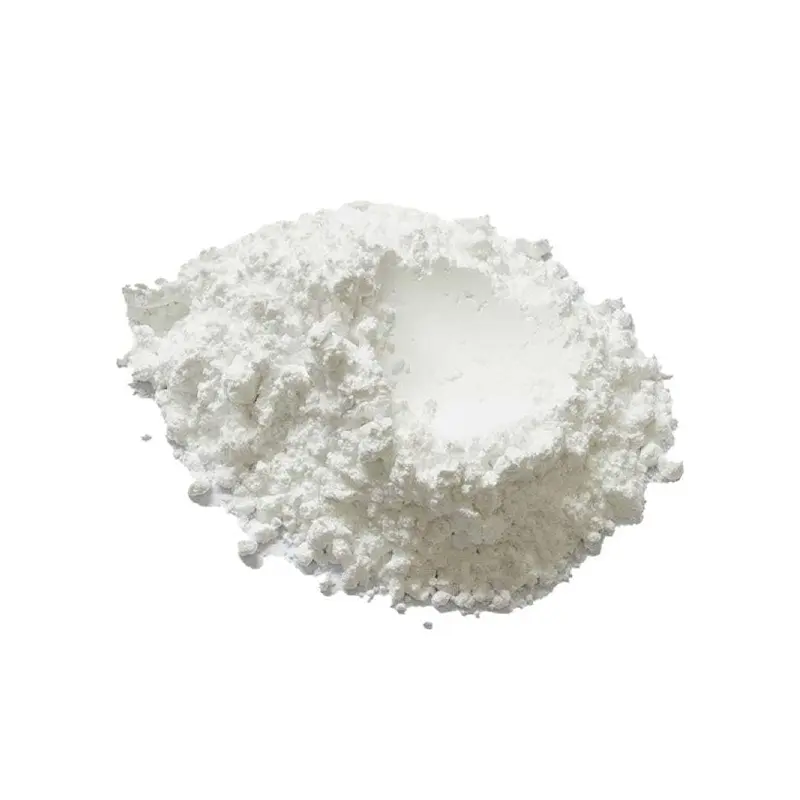
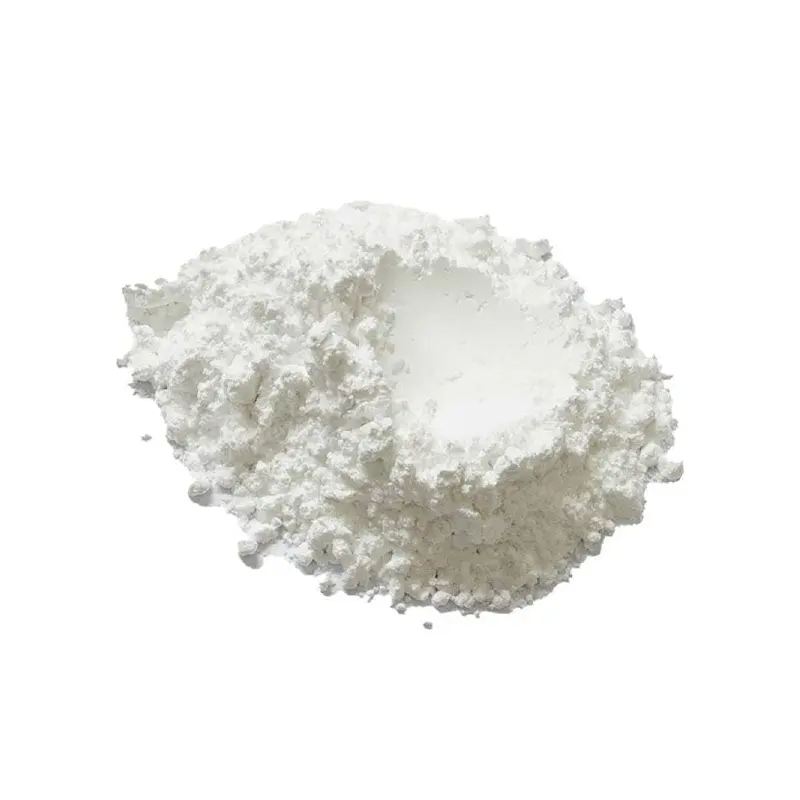
White, hygroscopic solid, highly soluble in water ( 110 g per 100 mL at 20 C) making it efficient for dissolving & dispersing.
Large format 50 lb ( 22.7 kg) bag offers economies of scale for studios, manufacturing, or bulk users.
Versatile industrial/creative uses: ceramics, glass, glazing, chemical intermediates, and speciality manufacturing.
Ceramics & Glazing: Use in mid-to-high temperature glazes as a potash flux; yields distinctive colour effects (e.g., copper + high potash = green-yellow tones).
Glass & Frit Manufacturing: A direct source of KO, useful when other oxides must be avoided.
Chemical Feedstock: Employed where a highly alkaline potassium salt is required.
Traditional Food/Leavening Contexts: Historically used as a leavening agent (pear-ash in baked goods) though this product is intended for industrial/technical use-cases.
Chemical Formula: KCO.
Appearance: White crystalline/hygroscopic solid.
Storage: Keep tightly sealed, dry environment material absorbs moisture from air (hygroscopic) which may cause clumping.
Safety: Handle with appropriate PPE (gloves, eye protection). Due to its alkaline nature, avoid skin/eye contact and store away from incompatible acids.
Packaging: Supplied in a robust bulk-bag appropriate for 50 lb weight; ideal for studio backstock or batch production.
For the serious ceramicist, glass-fabricator or chemical-processing professional: this bulk format provides a cost-effective way to access high purity potash flux/alkali in the scale you need. No compromise in quality, and excellent flexibility for custom formulae, glaze recipes or industrial chemical needs.
Use & Application Tips (Staff-College style Order of Battle):
Recon & Preparation: Confirm your substrate (glaze base, clay body or chemical mix) tolerates a highly alkaline addition.
Deployment: Incorporate powder in your batch with caution mix dry first, then add water or other liquids as required. Ensure full dissolution if you intend to use the solution form.
Monitoring: Because KCO is very soluble and active, monitor your colour response, melt behaviour and compatibility. For glaze use: a potash-rich glaze will melt differently than a sodium-rich one.
After-Action Maintenance: Store remaining material in a sealed container in a low-humidity environment; label clearly for technical use not food grade unless documented otherwise.
Contingency: Always keep a small sample for reference. When scaling up, use consistent testing to ensure batch-to-batch repeatability.